Introduction
In the ever-evolving landscape of agricultural business opportunities in developing countries, duck farming stands out as a promising venture that offers high returns with a relatively low investment. This business is particularly suitable for small-scale farmers and agricultural entrepreneurs in Bangladesh and other South Asian countries due to its scalability, low initial capital requirements, and high market demand. In this comprehensive guide, you will learn how to start a duck farming business from scratch, including planning, setup, technical requirements, financial planning, and marketing strategies. By the end, you’ll be equipped with the knowledge to turn this venture into a profitable and sustainable agricultural business.
Business Overview
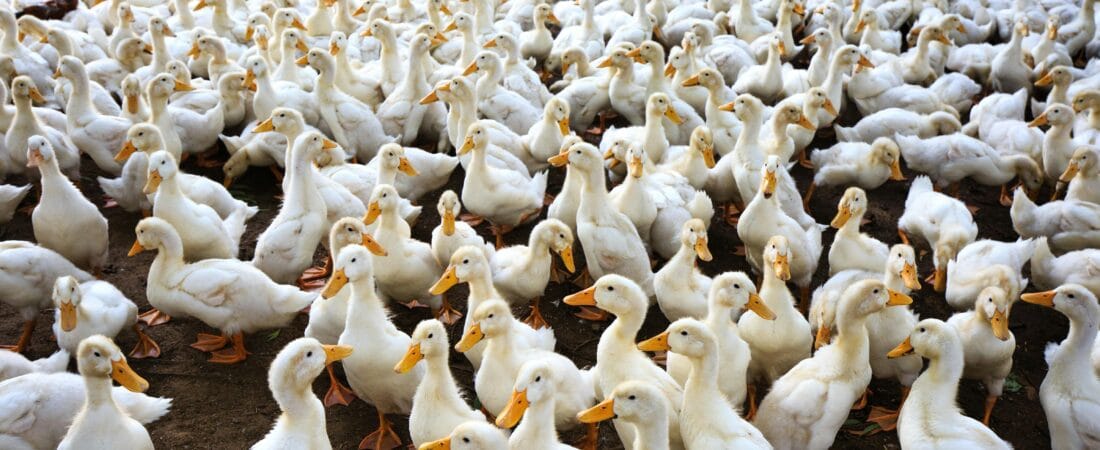
Duck farming involves raising ducks for their meat, eggs, or feathers. It is a versatile business that can be tailored to meet local market demands and can be scaled according to available resources. Ducks are hardy, adaptable, and can thrive in both small-scale backyard operations and larger commercial farms. They require less space and feed compared to chickens, making them ideal for small-scale farmers with limited land. The market for duck products is robust in many developing countries, where there is a growing demand for poultry meat and eggs.
Market Demand and Opportunities
The demand for duck meat and eggs is steadily increasing, driven by changing dietary preferences and population growth. In Bangladesh and neighboring countries, duck meat is highly valued for its nutritional content and unique flavor. The market for duck products is not only local but also regional, offering opportunities for export. Additionally, the feathers of ducks are used in various industries, including bedding and insulation, creating another revenue stream.
Suitability for Small-Scale Farmers and Entrepreneurs
Duck farming requires less capital than traditional chicken farming, making it an accessible option for small-scale farmers. The initial investment can range from $100 to $5000, depending on the scale and quality of setup. This business can be started with a small number of ducks, and as the venture grows, more ducks can be added. The operational costs are manageable, and with proper management, profitability can be achieved within a short period.
Initial Investment Requirements and Potential Returns
Initial Investment Requirements
- Ducks: Starter ducks or ducklings (buying cost varies from $0.50 to $5 per duck)
- Coops: Simple, cost-effective housing ($20–$50 per duck)
- Feed: Initial stock of feed (around $50–$100 for 100 ducks)
- Medical Supplies: Basic veterinary supplies ($20–$50)
- Equipment: Basic tools and supplies ($50–$100)
Potential Returns
- Duck Meat: Selling price varies from $2 to $5 per kg, depending on market conditions.
- Eggs: Selling price varies from $0.05 to $0.15 per egg.
- Feathers: Selling price varies from $0.50 to $1 per kg of processed feathers.
With a moderate investment of around $500 for 100 ducks, you can expect to recover your costs within 4-6 months and start generating profits. The profitability increases with the number of ducks and the market demand.
Getting Started: Step-by-Step Guide
Starting a duck farming business involves careful planning and preparation to ensure success. Here’s a step-by-step guide to help you get started.
Planning Phase
- Market Research
– Identify local and regional demand for duck products.
– Analyze competition and pricing.
– Study customer preferences and buying habits.
- Feasibility Study
– Assess available resources: land, capital, labor.
– Evaluate potential risks and challenges.
– Consider legal and regulatory requirements.
Setup Requirements
Land
- Size: For small-scale operations, a minimum of 100 square feet per duck is required.
- Location: Preferably near water sources for easy cleaning and water supply.
- Accessibility: Good access roads for transportation of feed and products.
Equipment and Infrastructure
- Coops: Simple, clean, and well-ventilated housing.
- Feeding and Watering Systems: Automated systems can reduce labor costs.
- Nesting Boxes: For egg-laying ducks, provide adequate space.
- Security Measures: Fencing and locks to protect from predators.
Legal Requirements
- Licenses and Permits: Check local regulations for poultry farming.
- Registrations: Register your business with relevant government agencies.
- Health Certifications: Obtain certifications for disease-free ducks.
Initial Investment Breakdown
| Item | Quantity | Unit Cost ($) | Total Cost ($) |
|———————|————–|————-|————–|
| Ducklings | 100 | 0.50 | 50 |
| Coops | 10 | 40 | 400 |
| Feed | 100kg | 1 | 100 |
| Medical Supplies | Basic kit | 20 | 20 |
| Equipment | Basic tools | 50 | 50 |
| Total | | | 620 |
Timeline
| Month | Activity |
|——-|———————————————————|
| 1 | Conduct market research and feasibility study. |
| 2 | Secure land and build coops. |
| 3 | Purchase ducks, feed, and equipment. |
| 4 | Set up feeding and watering systems. |
| 5 | Implement health and safety measures. |
| 6 | Begin operation and monitor growth. |
| 7-12 | Expand and diversify product lines. |
Technical Requirements and Best Practices
Equipment and Technology Needed
- Feeding Systems: Automatic feeders can reduce labor and ensure uniform feeding.
- Watering Systems: Automatic waterers prevent water wastage and contamination.
- Brooding Boxes: For young ducks, provide a warm and protected environment.
Quality Standards and Certifications
- Health Monitoring: Regular health checks and vaccinations.
- Biosecurity Measures: Strict control of visitors and adherence to hygiene protocols.
- Certifications: Obtain certifications for disease-free products.
Production Processes and Techniques
- Brooding: Provide warmth and protection for young ducks.
- Feeding: Gradually switch from starter feed to grower feed as they mature.
- Water Supply: Ensure clean and ample water supply.
Storage and Handling Requirements
- Cool Storage: Store eggs and meat in cool, dry conditions to prevent spoilage.
- Packaging: Use clean, sanitized containers for packaging.
Common Challenges and Solutions
- Predators: Use strong fencing and secure coops.
- Disease Outbreaks: Practice good hygiene and consult veterinarians regularly.
- Market Fluctuations: Diversify products and maintain good relationships with suppliers and buyers.
Financial Planning and Profitability
Startup Costs
| Category | Cost ($) |
|———————|————|
| Ducklings | 50 |
| Coops | 400 |
| Feed | 100 |
| Medical Supplies | 20 |
| Equipment | 50 |
| Total | 620 |
Operating Expenses
| Category | Monthly Cost ($) |
|———————|——————|
| Feed | 100 |
| Water | 10 |
| Electricity | 20 |
| Labor | 50 |
| Medical Costs | 10 |
| Total | 190 |
Revenue Projections
| Product | Quantity | Price ($) | Revenue ($) |
|———————|—————-|———-|————–|
| Duck Meat | 50 kg | 3 | 150 |
| Eggs | 200 | 0.10 | 20 |
| Total | | | 170 |
Break-even Analysis
Break-even point = Total Fixed Costs / (Unit Price – Unit Variable Cost)
For 100 ducks:
- Fixed Costs: $620
- Variable Costs per Duck: $1.90 (feed and other expenses)
- Selling Price per Duck: $5
Break-even point = $620 / ($5 – $1.90) = 158 ducks
Financing Options
- Loans: From banks and microfinance institutions.
- Grants: From government and non-government organizations.
- Self-Financing: Using personal savings or family funding.
Marketing and Sales Strategies
Target Market Identification
- Local Households: High demand for duck meat and eggs in urban and rural areas.
- Restaurants and Caterers: Increasing demand from food service industries.
- Retailers: Sales through local markets and supermarkets.
Local and Regional Market Opportunities
- Direct Sales: Selling directly to consumers through door-to-door sales.
- Partnerships: Collaborate with local merchants and distributors.
- Online Sales: Utilize social media and e-commerce platforms.
Pricing Strategies
- Competitive Pricing: Research market prices and set competitive rates.
- Bulk Discounts: Offer discounts for bulk purchases.
Distribution Channels and Partnerships
- Local Markets: Sell directly in local markets and bazaars.
- Supermarkets: Supply products to local supermarkets and grocery stores.
- Wholesalers: Partner with wholesalers for broader distribution.
Digital Marketing
- Social Media: Use platforms like Facebook, Instagram, and Twitter to promote products.
- Online Stores: Set up an online store or e-commerce platform.
- Content Marketing: Share success stories, tips, and recipes online.
Government Support and Schemes
Available Subsidies and Grants
- Government Schemes: Check with government agricultural departments for subsidies and grants.
- Microfinance Institutions: Access microloans with low interest rates.
Agricultural Extension Services
- Training Programs: Participate in training programs offered by government extension services.
- Technical Support: Obtain technical support and advice from agricultural experts.
Training and Capacity Building Programs
- Workshops: Attend workshops and seminars on modern poultry farming techniques.
- Online Courses: Enroll in online courses to enhance knowledge and skills.
Cooperative Formation Benefits
- Shared Resources: Share resources, equipment, and expertise among cooperative members.
- Bulk Purchasing: Negotiate better rates for bulk purchases of feed and equipment.
Success Stories and Case Studies
Case Study 1: Mrs. Ayesha Akter, Gazipur, Bangladesh
Mrs. Akter started her duck farming business with an initial investment of $500 for 100 ducklings and basic equipment. She focused on sustainable farming practices and maintained high-quality standards. After six months, she started generating profits and now has over 500 ducks. She sells her products to local markets and restaurants, generating an annual revenue of over $20,000.
Lessons Learned
- Focus on Quality: Investing in quality feed and health care led to healthier ducks and better product quality.
- Local Market Research: Understanding local market needs helped her tailor her products to meet customer preferences.
- Networking: Building relationships with local suppliers and buyers facilitated smoother operations.
Common Mistakes to Avoid
- Ignoring Health: Neglecting health care can lead to disease outbreaks and significant losses.
- Overlooking Marketing: Lack of marketing efforts can limit market reach and sales.
- Underestimating Costs: Underestimating operational costs can lead to financial difficulties.
Scaling Strategies for Growth
- Diversification: Introduce additional product lines like feathers and duck eggs.
- Expansion: Gradually increase the number of ducks and expand operations.
- Branding: Develop a strong brand identity to stand out in the market.
FAQ Section
Investment Requirements
- What is the initial investment required for duck farming?
– The initial investment can range from $100 to $5000, depending on the scale and quality of setup.
- How many ducks should I start with?
– For a small-scale operation, starting with 100 ducks is a good choice.
Technical Challenges
- What are the common diseases in ducks?
– Common diseases include Newcastle disease, fowl cholera, and infectious bursal disease. Regular health checks and vaccinations can help prevent these issues.
- How do I ensure good health for my ducks?
– Provide clean water, high-quality feed, and regular veterinary care. Maintain biosecurity measures to prevent disease outbreaks.
Market Access
- Where can I sell my duck products?
– You can sell your products at local markets, supermarkets, restaurants, and through online platforms.
- How can I increase my market reach?
– Engage in digital marketing, build relationships with distributors, and participate in local fairs and markets.
Government Support
- What government schemes are available for duck farmers?
– Check with your local government agricultural department for available subsidies, grants, and training programs.
- How can I access microfinance loans for my business?
– Contact local microfinance institutions to inquire about loan opportunities and eligibility criteria.
Risk Management
- What are the major risks associated with duck farming?
– Major risks include disease outbreaks, market fluctuations, and operational challenges.
- How can I mitigate these risks?
– Implement biosecurity measures, diversify your product lines, and maintain good financial management practices.
Conclusion and Next Steps
Starting a duck farming business can be a profitable and sustainable venture, especially for small-scale farmers and entrepreneurs in developing countries. By following this guide, you can establish a successful duck farming operation that meets local market demands and generates consistent profits. The key to success lies in careful planning, attention to detail, and continuous learning. Take action today and transform your agricultural business into a thriving enterprise.
Actionable Next Steps
- Conduct Market Research: Identify local demand and customer preferences.
- Assess Resources: Evaluate your available land, capital, and labor.
- Plan Your Operation: Create a detailed business plan and timeline.
- Secure Funding: Explore financing options and apply for subsidies.
- Start Small: Begin with a small number of ducks and scale up as you gain experience.
Resources for Further Learning
- Government Agricultural Departments: For information on subsidies, training, and regulations.
- Agricultural Extension Services: For technical support and workshops.
- Online Courses and Webinars: For in-depth learning on poultry farming techniques.
Encouragement for Taking Action
Embrace the opportunity to establish a successful duck farming business. With dedication and hard work, you can create a thriving agricultural enterprise that benefits your community and contributes to local economic growth. Start your journey today and transform your vision into reality.
“Success in agriculture is not just growing crops or raising livestock; it’s about building a sustainable business that thrives over time.”
— Agricultural Entrepreneur
.aabg-content.agricultural-content {
line-height: 1.6;
font-family: -apple-system, BlinkMacSystemFont, “Segoe UI”, Roboto, sans-serif;
}
.aabg-content h2, .aabg-content h3, .aabg-content h4 {
color: #2c5530;
margin-top: 2em;
margin-bottom: 1em;
border-left: 4px solid #4CAF50;
padding-left: 15px;
}
.aabg-cost {
background: #e8f5e8;
padding: 2px 6px;
border-radius: 3px;
color: #2c5530;
}
.aabg-metric {
background: #f0f8f0;
padding: 2px 6px;
border-radius: 3px;
color: #1b4332;
}
.aabg-content blockquote {
background: #f9f9f9;
border-left: 4px solid #4CAF50;
margin: 1.5em 0;
padding: 1em 1.5em;
font-style: italic;
}
.aabg-content ul, .aabg-content ol {
margin: 1em 0;
padding-left: 2em;
}
.aabg-content li {
margin-bottom: 0.5em;
}